
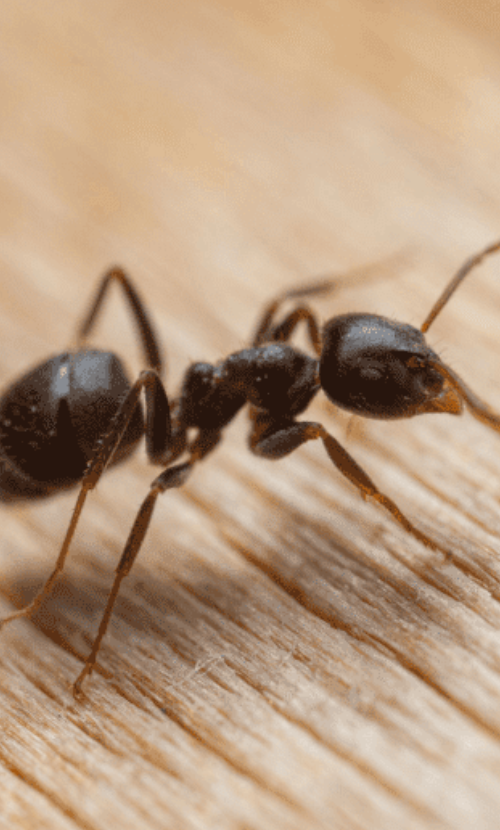
ANTS
SPRING/SUMMER is a critical time for expansion, work, and survival. The warmth triggers a massive mobilization. Queens begin laying eggs at a furious pace, and colonies that were dormant or reduced over winter explode in population. This rapid growth fuels the two primary activities of the season: foraging and construction.
WINTER that would freeze most insects, ants have a biological superpower. As the temperature cools, their bodies produce a natural antifreeze. This prevents them allows them to endure the cold for months, but ready to reanimate when Spring comes.
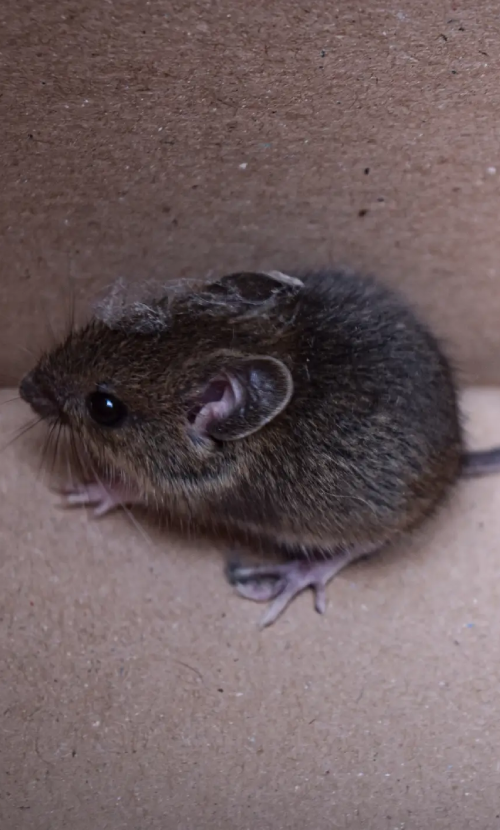
RODENTS
SPRING/SUMMER in the mountains is short, so efficiency is key. Rodents must pack a year’s worth of living into just a few months. With the snow gone, their populations explode producing serval litters within a short timeframe. Leaving out bird feed or other food waste is an invitation for them to visit your home.
WINTER Voles, Mice, Chipmunks, Squirrels, and other larger rodents are all in full survival mode during that time of year. They rely heavily on stockpiles of previously stashed food and unfortunately for some homeowners warmth in cabins, garages and manmade structures.

Termites & Wood-Destroying Insects
Termites pose a significant threat despite the cooler climate and higher elevations. These wood-destroying insects can cause extensive structural damage if left unchecked, making termite protection a critical component of home maintenance in the region.
Carpenter ants unlike termites, they excavate it from the inside out which can lead to costly repairs. They venture out at night to search for food often traveling as far as 100 yards. The mountainous environment, with its mix of moisture, wood, and natural vegetation, creates ideal conditions. If activity often goes unnoticed, significant damage will occurred.
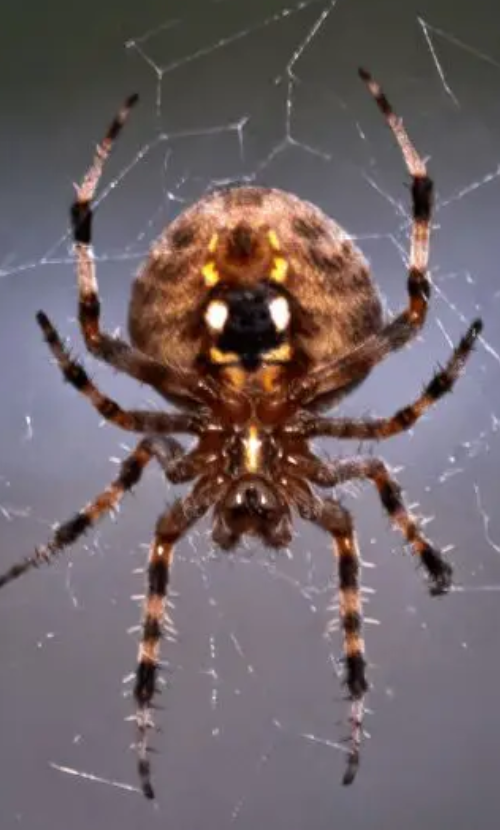
Spiders
SPRING/SUMMER spiders engage in a frenzy of web-building, hunting, and reproduction that increases its population substantially. From orb-weavers to wolf spiders they are constantly at work with the explosion of warm insect life. We have the perfect plan to prevent your home from becoming a prime nesting location for the spiders so you can enjoy your outsides without them.
WINTER This is the season when human and arachnid lives most often intersect. Seeking refuge from the lethally cold temperatures, most species often find their way into homes, garages, and sheds. While they may slow down, they remain opportunistically active. These quiet, arachnids can be year-round houseguests if not treated properly.
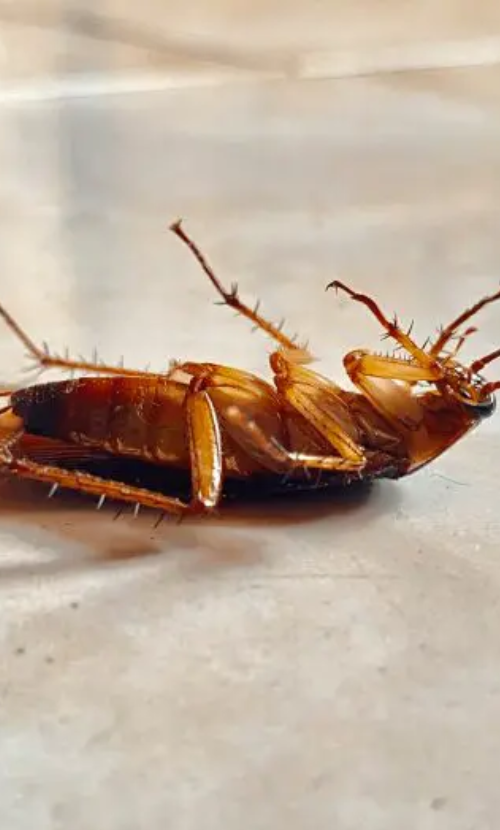
Cockroaches
WINTER they seek shelter indoors, making homes a prime target. They are highly adaptable and survive on minimal resources. They eat a variety of materials, including decaying organic matter, soap, and even hair. In mountain homes, roaches may exploit gaps in insulation, foundations, or poorly sealed windows and doors to enter and stay warm. Once inside, they can remain active for long periods of time
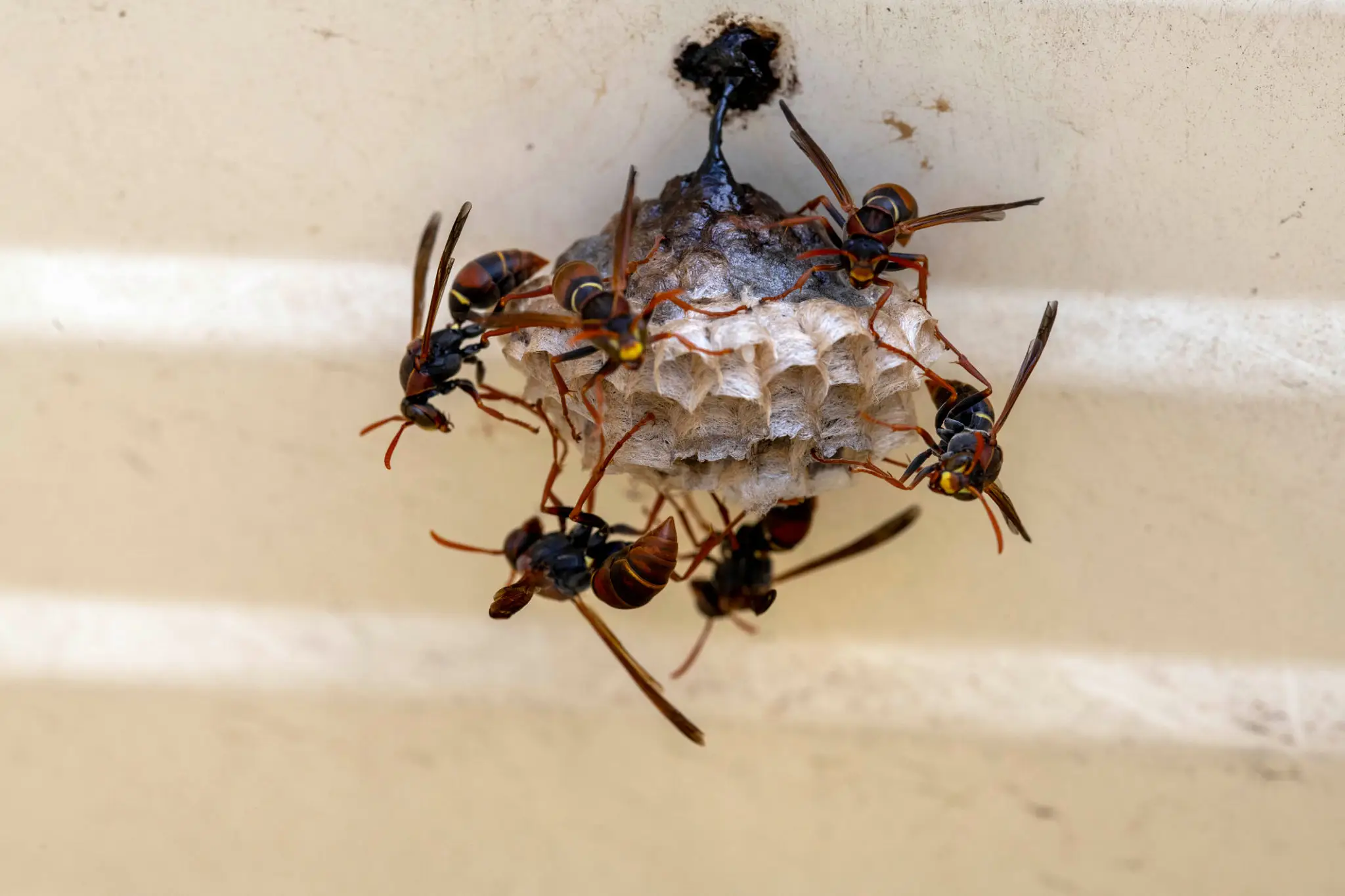
Wasps & Hornets
SPRING / SUMMER As temperatures rise, queen wasps and hornets emerge from hibernation to establish new colonies. They are most active in seeking nesting sites, often in sheltered areas like eaves, tree hollows, or under eaves of homes. Summer is the peak activity period for hornets and wasps. Colonies are fully established, and worker wasps are busy foraging for food.
FALL they can become aggressive, especially if their nests are disturbed. As the weather cools, wasps and hornets become more aggressive and focused on finding food to sustain their colonies. This is when they are most likely to scavenge around human activity, seeking sugary drinks, food scraps, and garbage.